
Licensed & Insured · Santa Barbara County · (805) 572-7405
Santa Barbara Generators
Whole house standby systems, commercial and industrial power, repairs on any brand and rental units from 5kW to 500kW. Sized properly, permitted, installed and serviced by one local crew.
- Generac, Kohler, Cummins and Champion dealer and service
- Free on-site sizing and a flat installed price
- Emergency repair and rental units during outages
Or call now: (805) 572-7405
What We Do
Standby Power Across Santa Barbara County
Santa Barbara Generators installs, services and rents generators across the South Coast and the Santa Ynez Valley. That covers four fairly different kinds of customer. Homeowners who have decided that a three-day public safety power shutoff is not something they want to sit through again. Businesses whose refrigeration, elevators or emergency lighting have to stay live whatever the utility does. Agricultural and industrial operations where a stopped pump or a warm cold-store is measured in lost product rather than lost comfort. And anyone who needs power on a site for a week, a season or a single Saturday afternoon.
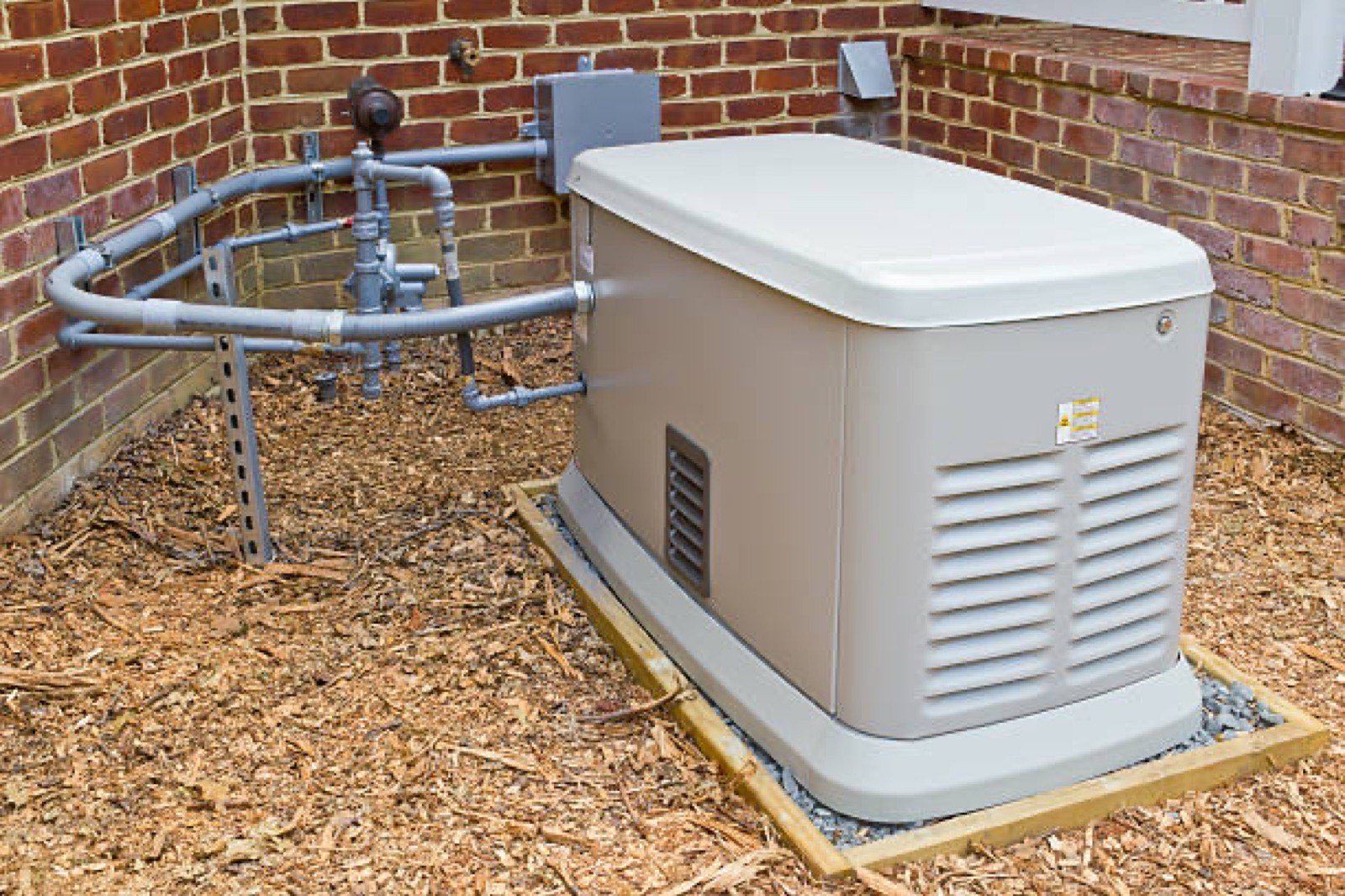
The residential side is mostly whole house generators: a permanently installed unit on a pad outside, fed from the gas main or a propane tank, wired through an automatic transfer switch so it starts itself within seconds of an outage whether or not anybody is home. We install Generac, Kohler, Cummins and Champion, and we size from the actual house, including the well pump and the air conditioning start-up current, rather than from square footage. Where the requirement is narrower, a critical-circuit backup generator covering the refrigerator, the heat, the water and the network costs a good deal less and still solves the real problem.
On the commercial side we install and maintain commercial generators for restaurants, medical and dental practices, hotels, markets and managed property, including the code-required emergency lighting, fire alarm and elevator circuits that inspectors ask about. Larger three-phase work, which mostly means agriculture, wineries, cold storage, water districts and manufacturing, moves into industrial generators: diesel and gas sets from roughly 100kW to 2MW, sized from a measured load study, permitted through the air district and proven with a load bank test rather than assumed to work.
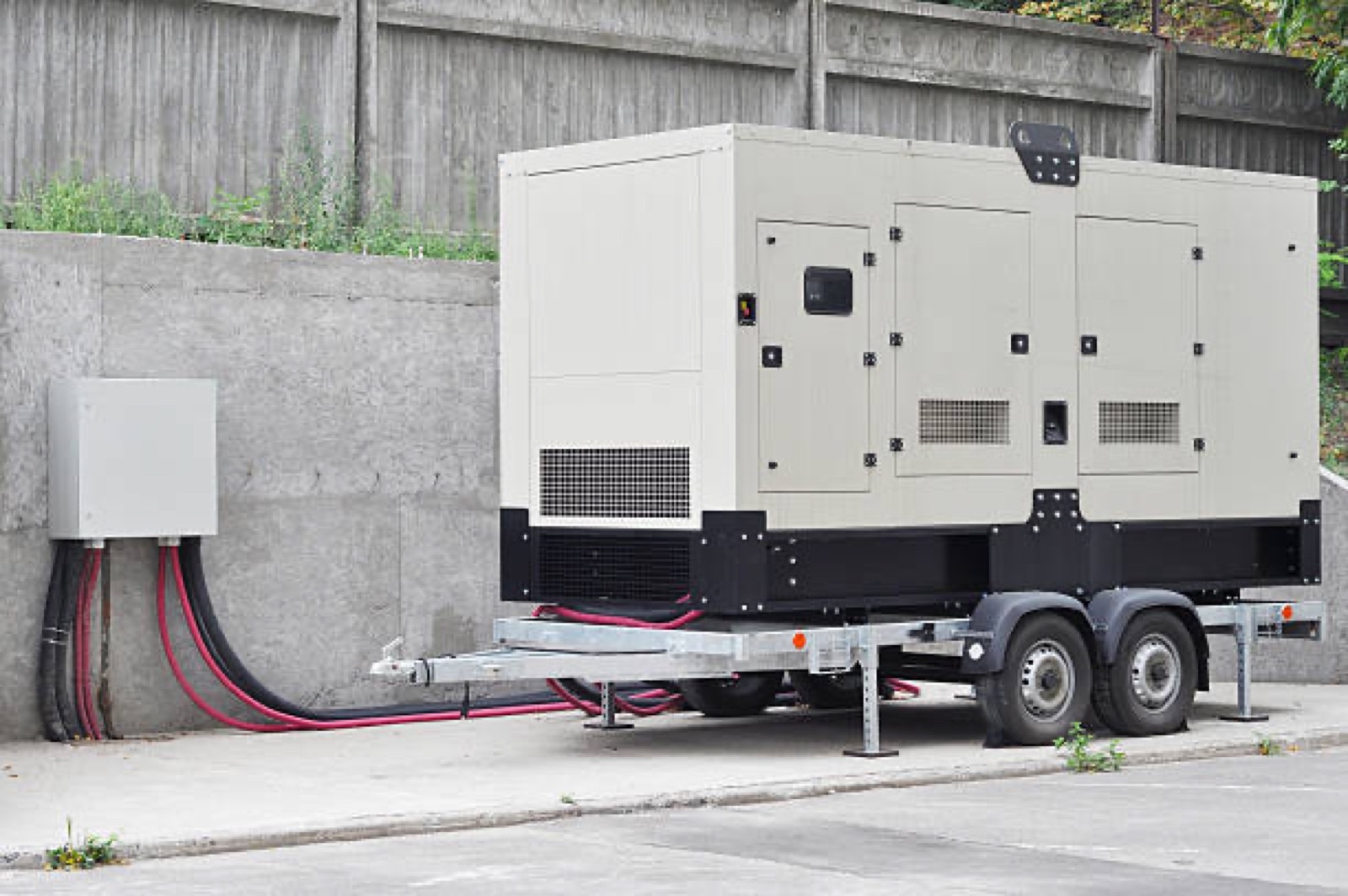
Two things keep us busy between installations. Generator repair and annual maintenance on any brand, including plenty of units we did not install, because a standby machine that nobody has serviced is a machine that will fail on the day it is needed. And generator rentals, from small quiet units for weddings and film work up to 500kW towable diesel sets for construction sites and industrial shutdowns, delivered, connected, fueled and collected.
Our Services
Six things we do, one licensed crew, from a 14kW home unit to a 500kW towable set.
🏠
Whole House Generators
Permanently installed home standby generators that start themselves within seconds of an outage and run the house until the grid comes back.
🔌
Backup Generators
Standby and emergency backup systems that keep the essential circuits alive through storms, wind events and public safety power shutoffs.
🏭
Industrial Generators
Three-phase diesel and gas gensets from 100kW upward for agriculture, wineries, water systems, cold storage and manufacturing.
🏢
Commercial Generators
Standby systems for restaurants, medical and dental offices, hotels, grocery, retail and managed property, with service contracts to match.
🔧
Generator Repair
Diagnostics, emergency callouts and annual maintenance on residential, commercial and industrial units of any brand.
⚡
Generator Rentals
Portable, towable and trailer generators from 5kW to 500kW, delivered, connected and fueled for construction, events, film and industry.
Why Go With Us
Generator work attracts two kinds of company: electricians who install a unit and never see it again, and equipment dealers who sell a machine and subcontract the wiring. We do the whole thing, which is why our installs get commissioned under real load and our service customers do not have to explain their system to a stranger every few years. It also means we have no reason to sell you more machine than the house needs, because the money in this business is in doing the job once and keeping the customer, not in a bigger unit on the first invoice.
- Licensed C-10 electrical contractor doing the panel, the transfer switch, the gas and the commissioning as one job with one permit.
- Factory-trained and warranty-authorised on Generac, Kohler, Cummins and Champion, so the brand you buy is the brand we service.
- Sizing from a real load calculation, including well pumps and motor starting current, rather than from square footage.
- Permits pulled and inspections met by us, including air district permitting on industrial installations.
- Emergency response during outages, with rental units on the yard when a repair cannot wait.
- Every install tested under genuine load before we leave, not started once and declared finished.
What We Are Here To Do
Make backup power boring. A system that is sized correctly, installed once, serviced on a schedule and then never thought about again is the whole product, and everything else is noise. In practice that means telling a homeowner in Montecito when a smaller unit will genuinely do the job, telling a grower in Lompoc that the pump he is worried about needs a bigger set than he was quoted elsewhere, and calling a restaurant in November to book a service visit rather than waiting for the call in January. We would rather quote a job honestly and keep the customer for fifteen years than win one on a number we already knew was going to grow.
Why Choosing The Right Generator Company Matters
A generator is the only major system in a building that is bought specifically for a day that has not happened yet, which makes it unusually easy to install badly and unusually hard to notice. Nobody finds out that a set was undersized, mis-permitted or never load tested until the power goes out. These are the failures we get called in to fix, and every one of them was avoidable at the quoting stage:
- Undersized units chosen from square footage or a panel rating, which then drop out the first time the air conditioning and the well pump start together.
- Installations done without a permit, which surface years later during a sale or an insurance claim and have to be opened up and redone.
- Transfer switches wired without proper isolation, which is illegal, dangerous to utility crews and the single most serious thing we find on amateur work.
- Fuel systems sized for a two-hour outage on properties that routinely lose power for three days, usually a 250 gallon propane tank where a 500 was needed.
- Units commissioned with a start button rather than a load test, so nobody has ever confirmed the machine can actually carry the house.
- Systems sold with no service plan at all, which is how a five-year-old generator with a dead battery and stale fuel comes to be discovered in the middle of a storm.
Ask anyone you are considering how they arrived at the size, who pulls the permit, whether commissioning includes a load test and what the annual service covers. The answers separate the field quickly. Call: (805) 572-7405
What Generator Work Costs In Santa Barbara
A whole-house installation generally lands between $5,000 and $15,000 all in. Commercial systems start around $15,000, industrial projects are quoted from a load study and typically start near $30,000, an annual service visit is roughly $300 to $600, and rentals run from about $75 a day for a small portable to $4,000 a month for a mid-size towable set. What moves any of those:
- Size, which comes from the load rather than the building. Getting this right is where the money is, in both directions.
- Transfer switch strategy. A critical-circuit subpanel is dramatically cheaper than a whole-panel service-rated switch, and load management can let a smaller engine do a bigger job.
- Fuel. A natural gas connection is plumbing. Propane means a tank, a pad and setbacks. Diesel means storage, containment and a fuel maintenance plan.
- Distance and site conditions. Long gas and conductor runs, trenching through hardscape, retaining, screen walls and roof mounting are the usual reasons two quotes differ.
- Permits and jurisdiction. Fees and timelines vary between the City of Santa Barbara, the county and the smaller cities, and industrial sets add air district permitting.
- Service plan. An annual visit and, on commercial systems, a documented load test are an ongoing cost, and they are what keeps the warranty and the compliance record intact.
Financing is available on residential installations, and most homeowners find the monthly figure lower than they expected. Costs are broken down properly on the whole house generator, commercial generator and generator rental pages.
Cities We Serve
Trucks run daily from the shop on North Nopal Street. Pick your city for local install details, outage notes and the work we do most there.
Trusted By South Coast Homeowners, Builders And Businesses


Frequently Asked Questions
What size generator do I need for my home?
It comes from what has to run, not from square footage. A typical Santa Barbara home with gas heat and one air conditioner is comfortable on 18kW to 22kW. Add a second air conditioner, a pool, an EV charger, all-electric cooking or a well pump and you are into 26kW and above. The figure that usually sets the minimum is the starting current of the largest motor, since that is the moment a generator either holds or drops the load. We size on site and it takes about half an hour.
What is the difference between a portable and a standby generator?
A portable unit is rolled out, started by hand, refuelled from cans and connected through a manual transfer switch or interlock. A standby unit is bolted to a pad, connected to natural gas or propane, and started automatically by a transfer switch seconds after the utility fails, whether or not anyone is home. Portables suit an occasional short outage. Standby units are the answer where outages are long, frequent or expensive, which describes most of this county.
Natural gas, propane or diesel: which fuel is best?
Natural gas wherever the main reaches, because there is no tank, no deliveries and effectively unlimited runtime. Propane on rural parcels without a main, since it stores for years and a 500 gallon tank covers a week of running comfortably. Diesel above roughly 100kW, where its output per gallon and stamina under sustained load make it the standard for industrial and rental equipment. Propane derates an engine slightly compared with natural gas, which we allow for when sizing.
Which generator brands do you install and service?
We are factory trained on Generac, Kohler, Cummins and Champion and carry out warranty work on all four. Generac has the widest parts network in the country and leads the residential market. Kohler generators tend to have quieter enclosures at the same rating. Cummins builds the engines behind much of the commercial and industrial market. Champion sits at the accessible end of the price range. We also service Onan and older equipment we did not install.
How much does a whole house generator cost installed?
Between $5,000 and $15,000 for a complete installation in Santa Barbara County, covering the unit, the pad, the transfer switch, the gas work, the permit and commissioning. A critical-circuit system on a straightforward site is at the bottom of that band; a 26kW unit with a service-rated switch and a long gas run is at the top. We quote one flat number after a site visit rather than a headline price with additions.
Do you offer financing?
Yes, through the manufacturer programs and through our own lender, with terms that generally run from three to ten years depending on the amount. Most residential installations work out to a monthly payment in the same range as a phone bill, which is usually a more useful way to look at it than the total. We can put the numbers in front of you at the estimate rather than sending you away to work it out.
Does a standby generator add value to a house?
Agents and appraisers on the South Coast generally put a properly installed, permitted standby system at somewhere around 3 to 5 percent of home value, and it is a genuine selling point in areas that see public safety power shutoffs. Two conditions matter: the installation has to have been permitted and inspected, and there has to be a maintenance record. An unpermitted unit is a negotiating problem during escrow rather than an asset.
How long will a generator run during an outage?
On natural gas, as long as the outage lasts, since the fuel keeps arriving. On propane, a 250 gallon tank runs a mid-size home roughly two to three days at typical load and a 500 gallon tank comfortably covers a week. On diesel, runtime follows tank size, and a 100kW set with a 200 gallon base tank runs somewhere around a day and a half at half load before it wants refuelling.
How often does a generator need servicing?
Annually for a residential standby unit, or every 100 to 200 running hours if that comes first, with an early first service after commissioning. Commercial emergency systems are exercised monthly and given a documented annual test at rated load. Skipping the annual visit is the usual reason a warranty claim gets refused, and stale fuel and dead batteries are the two failures it exists to catch.
Reviews and references matter. Find Us on the Web! — see our listings on Google, Yelp, BBB, Houzz, and more.