
Santa Barbara · Generator Installation and Service
Backup Generators
Standby and emergency backup systems that keep the essential circuits alive through storms, wind events and public safety power shutoffs.
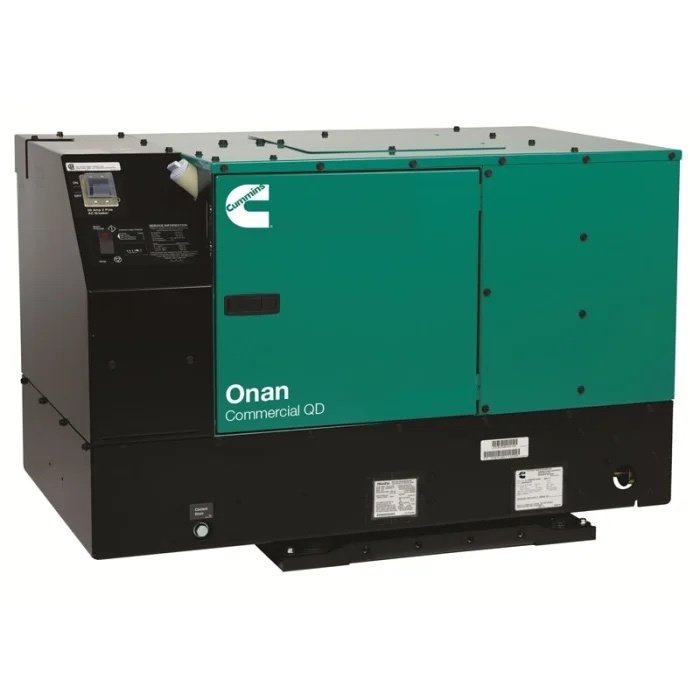
Backup Generators · Santa Barbara
What A Backup Generator Is For
A backup generator exists for the hours when the utility cannot deliver, and on the South Coast those hours arrive in three fairly predictable ways: winter storms taking lines down, sundowner winds doing the same in a few dry hours, and public safety power shutoffs where the utility de-energizes circuits on purpose during red flag conditions. Backup power covers everything from a 14kW residential unit carrying the refrigerator, the well pump, the heat and the network, up to a three-phase machine holding a building full of tenants through the same event. Some of our backup work is a permanent standby installation with an automatic transfer switch. Some of it is a rental unit delivered into an outage that is already happening, connected to a manual transfer switch or a temporary distribution panel. Both count, and the right answer depends on how often the power goes out where you are and what it costs you when it does. On a house, that conversation usually turns into a whole house generator. On a commercial building it turns into a commercial generator sized to a list of critical circuits. Either way the first question is the same: what has to stay on, and for how long.
Why Go With Us For Backup Power
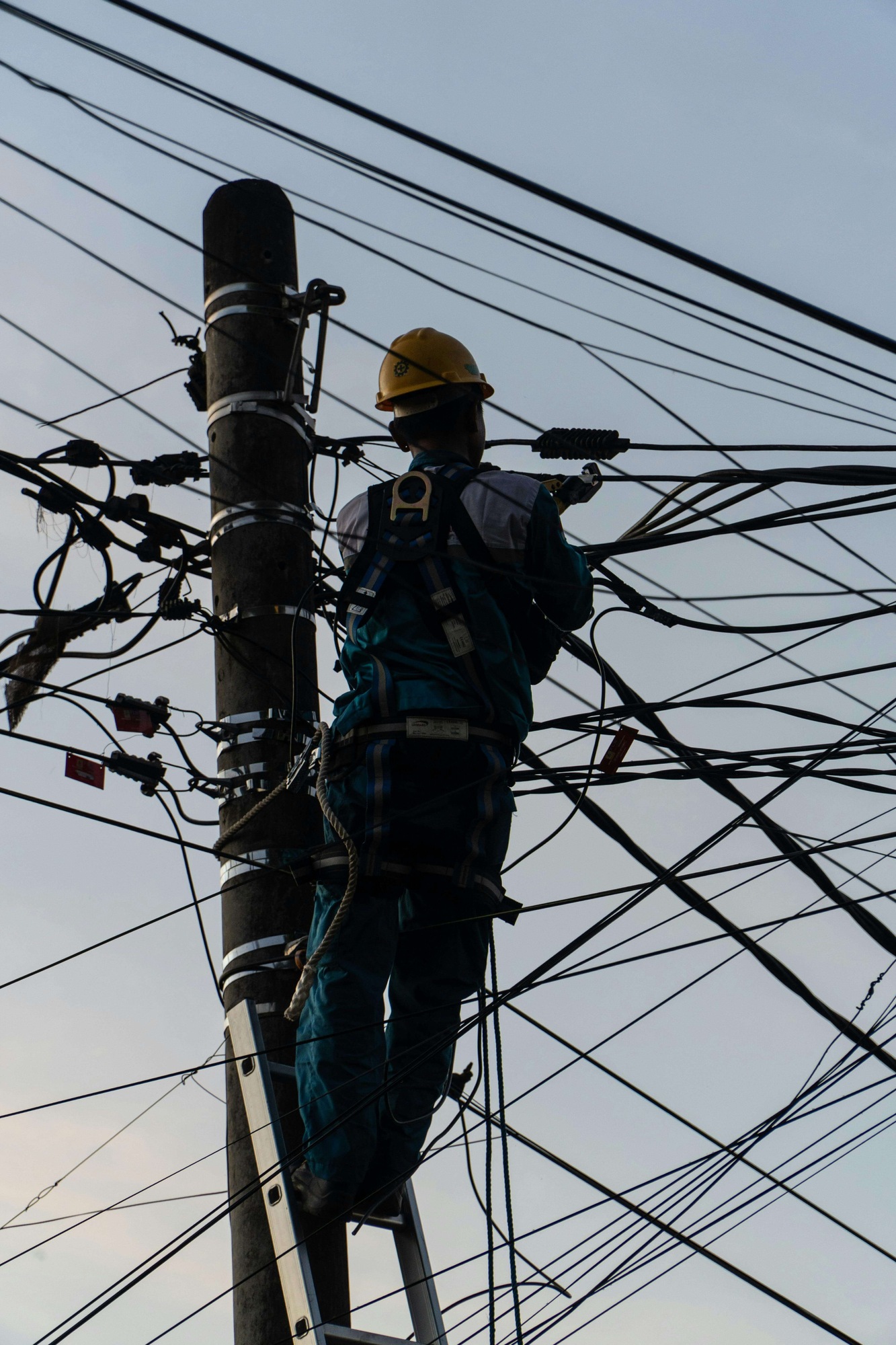
The uncomfortable truth about backup systems is that most of them fail on the day rather than in service, and they fail for boring reasons: a dead battery, a stuck transfer switch, stale fuel, a block heater that quit two winters ago. We plan for that, because we spend a good share of our week doing emergency generator repair on units that were installed correctly and then ignored. That experience shapes how we specify a system in the first place. We put remote monitoring on anything that matters, we set the exercise cycle so a failure gets noticed in the quiet season instead of during the event, and we would rather deliver a well-maintained smaller unit than a large one nobody has looked at since commissioning. We also answer the phone during outages, which sounds like a low bar until the third company you call has a voicemail box that is full.
- Emergency response during actual outages, not just business hours, with rental units on the yard for properties without a permanent system.
- Remote monitoring available on new installs, so a failed weekly exercise sends an alert instead of waiting to be discovered.
- Critical-load design that keeps the budget on the circuits that matter rather than oversizing to carry everything at once.
- Transfer switches specified and installed by the same licensed electricians who do the panel work.
- Battery, coolant, block heater and fuel condition checked on every service visit, because those are what actually fail.
- Honest advice on when a battery system, a smaller unit or a rental beats buying a large standby machine.
Reasons To Put In Backup Power
Backup power stops being optional at fairly identifiable moments:
Outages here run into days, not minutes
A downed line on a coastal street gets fixed quickly. A de-energized circuit up a canyon in fire weather, or a storm that takes out poles across several miles, does not. The further you are from town, the longer the tail on the outage, and the stronger the case for something that starts itself.
A public safety power shutoff has already caught you once
PSPS events are announced, planned and still disruptive. They also tend to happen in the hottest, driest, most uncomfortable weather of the year. Anybody who has lived through one with a full refrigerator and no air conditioning generally does not want to repeat the experience.
Inventory or equipment is at risk
A restaurant walk-in, a pharmacy fridge, a wine cellar, a greenhouse or a server rack all turn a power cut into an invoice. When the cost of one bad night approaches the cost of a system, the decision usually makes itself.
Code or a lease requires it
Emergency lighting, fire alarm panels, elevators and egress systems in commercial buildings have legal backup requirements, and inspectors ask for the maintenance records. Some commercial leases put the obligation on the tenant, which is a detail that tends to surface at the worst moment.
You are relying on a portable and extension cords
Portable units are useful and we rent plenty of them, but running a house off one means cords through doorways, refuelling in the dark and a real carbon monoxide risk. If it is happening more than once a year, the permanent version is cheaper in every sense.
Work happens at home now
A home office turns a power cut into lost income, and video calls do not care that the utility is working on it. A modest standby system covering the network, the office circuits and the refrigerator pays for itself in avoided lost days faster than most people expect.
Tell us what has to stay live and how long it has to stay live for, and we will tell you whether that is a standby install, a smaller critical-circuit system or a rental. Call: (805) 572-7405
How We Set Up A Backup System
The design work happens before anything is ordered, because the load list decides everything else.
1. Critical load survey
We go through the panel circuit by circuit and separate what genuinely has to run from what would be pleasant. Refrigeration, well and booster pumps, heat, medical equipment, network gear, alarm and egress systems usually make the list. Second air conditioners and electric ranges usually do not, unless you want them to and are willing to pay for the size that requires.
2. Sizing and transfer strategy
From that list we calculate running load and, more importantly, starting load, since motors draw several times their rated current on start-up. Then we pick between a whole-panel switch, a load-managed switch that sheds big loads intelligently, and a critical-circuit subpanel. That choice usually swings the price more than the generator does.
3. Installation and integration
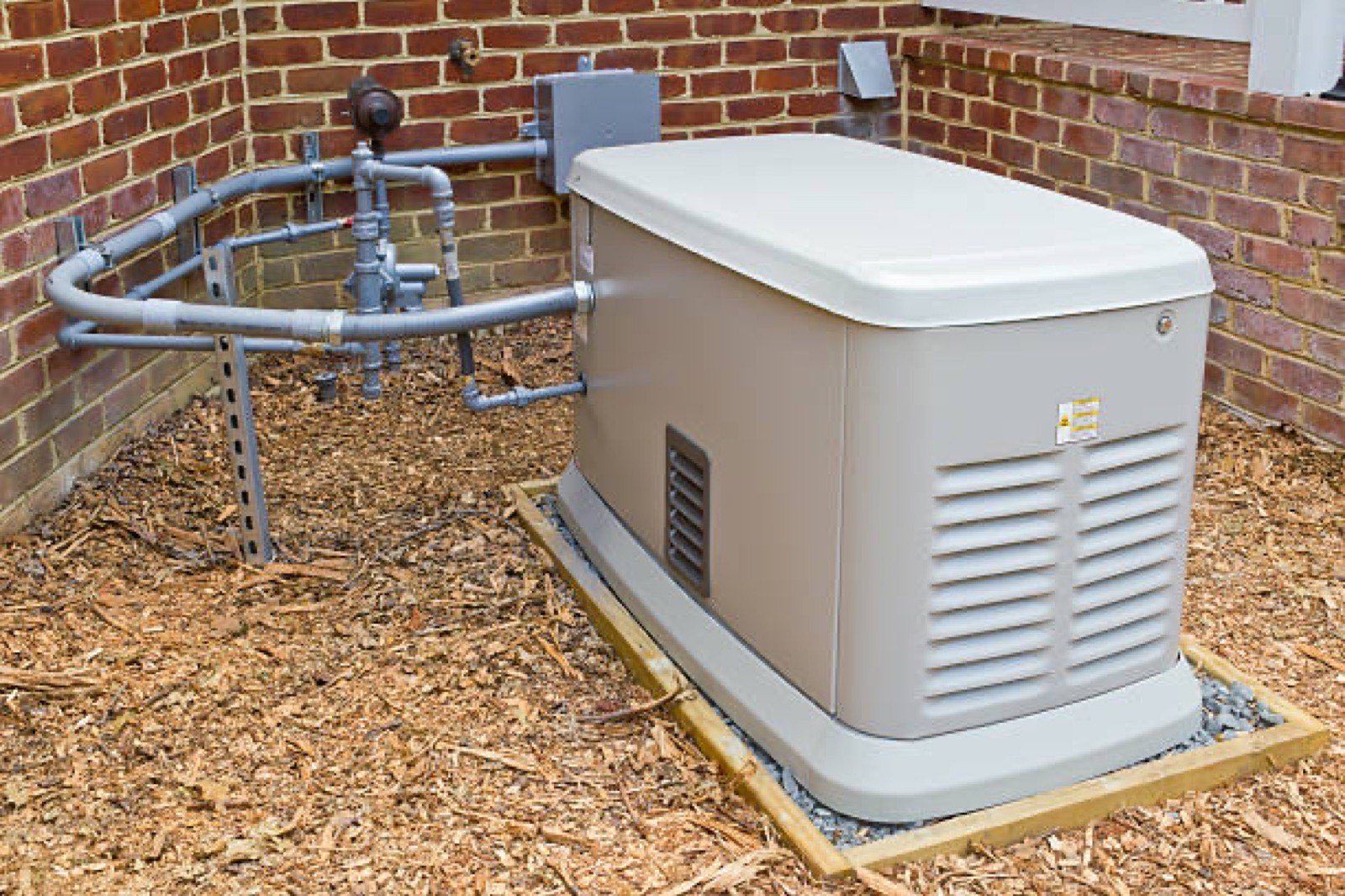
Pad, unit, fuel connection, transfer switch, conductors, permit and inspection. On commercial jobs this includes coordinating with the fire alarm and life safety systems, and on residential jobs it includes the gas or propane work. One crew, one permit, one point of contact.
4. Commissioning and monitoring
We pull utility power for real and watch the system carry the load, rather than starting the engine and calling it tested. Exercise schedule set, monitoring configured, warranty registered, and the first maintenance visit booked before we leave.
Standby, Portable, Fuel And Transfer Options
The range of things people mean when they say they want a backup generator:
Automatic standby systems
Permanently installed, fueled from the gas main or a propane tank, started by a transfer switch within seconds of an outage and shut down automatically when the grid returns. This is what most residential and small commercial backup ends up being, because it works when nobody is home and it does not need refuelling.
Portable and manual transfer setups
A portable unit plus a properly installed manual transfer switch or interlock is a legitimate budget answer for a house that loses power once a year. It needs somebody present, it needs fuel on hand and it must never be back-fed through an outlet. We install the switch correctly so the setup is safe rather than improvised.
Emergency and same-day deployment
When the power is already out and there is no permanent system, we deliver a towable or portable unit, connect it and get you through the event. That is the same fleet described on the generator rental page, and during widespread outages it moves quickly, so the earlier the call the better.
Fuel choice and runtime
Natural gas runs indefinitely as long as the main holds. Propane stores for years and is the rural default, with a 250 gallon tank giving a mid-size home roughly two to three days and a 500 gallon tank comfortably covering a week. Diesel gives the highest output per gallon and is standard on larger equipment, though the fuel needs treating and polishing if it sits.
Batteries alongside a generator
A home battery covers short outages silently and pairs well with solar, but it will not carry a well pump and air conditioning through a three-day shutoff. A generator will. Plenty of properties here end up with both, using the battery for the flickers and the generator for the events that matter, and we are happy to design around an existing battery system.
Keeping it ready
A backup system is only worth what its last service visit says it is. Weekly or monthly exercise, an annual inspection, fresh oil and coolant, a battery that is actually tested rather than looked at, and a transfer switch exercised under load. That is covered on the generator maintenance page and it is the single highest-value thing an owner can do.
What Backup Power Costs
A residential backup system generally runs $5,000 to $15,000 installed depending on size and transfer strategy, and commercial systems start around $15,000 and climb with the load. What moves the number:
- How much of the building you want covered. A critical-circuit subpanel is dramatically cheaper than a whole-panel system, and for most properties it covers everything that matters.
- Generator size, which follows from the load list. Starting current on motors, not total wattage, is what usually sets the minimum.
- Transfer switch type. Manual is cheapest, automatic is the point of the exercise, and load-managed switches cost more but often let you buy a smaller engine.
- Fuel. A natural gas connection is a plumbing job. Propane means a tank, a pad and setbacks. Diesel means a tank, containment and a fuel maintenance plan.
- Site conditions. Trenching, hardscape, retaining, sound screening and long conductor runs are the usual sources of variation between two otherwise identical quotes.
- Monitoring and service plan. Remote monitoring and an annual contract add a modest yearly cost and are the cheapest insurance on the whole system.
We quote the system as one number covering equipment, installation, permit, inspection and commissioning, and we will tell you where a smaller machine does the job. If the need is temporary, weekly and monthly rates are on the generator rental page, and larger three-phase requirements are covered under industrial generators. The full picture of what we install and service around Santa Barbara sits on the home page.
Frequently Asked Questions
What is the difference between a portable and a standby generator?
A portable unit is wheeled out, started by hand, refuelled from cans and connected through a manual transfer switch or interlock. A standby unit is permanently installed, connected to natural gas or propane, and started automatically by a transfer switch within seconds of an outage whether or not anybody is home. Portables cost less and suit occasional short outages. Standby units are the answer where outages are long, frequent or expensive.
How fast does a backup generator take over?
An automatic system typically restores power in about ten to thirty seconds: the transfer switch confirms the outage is real rather than a momentary blip, starts the engine, lets it stabilize and then transfers the load. Equipment that cannot tolerate even that gap, such as servers and some medical devices, sits behind a UPS which bridges the seconds until the generator is up.
Can a backup generator run my whole house?
It can if it is sized for it, which usually means 22kW or more on a typical South Coast home, and more again with two air conditioners, a pool, a well and an EV charger. Many owners choose a smaller unit with a load-managed transfer switch instead, which carries the whole panel but sheds the big loads for a moment when several start at once. That approach costs less and works well.
How long will it run during an outage?
On natural gas, as long as the main keeps flowing, which is normally the entire outage. On propane, a 250 gallon tank runs a mid-size home roughly two to three days and a 500 gallon tank comfortably covers a week at typical load. Diesel runtime depends on tank size, and we size the tank to the outage length you actually expect rather than to a catalog figure.
Do I need backup power if I already have solar and a battery?
They solve different problems. A battery covers short outages silently and is excellent at it, but a typical home battery will not carry a well pump and air conditioning through a multi-day public safety shutoff. A generator will, and it does not care whether the sun came out. Plenty of properties here run both, and we design around an existing battery rather than replacing it.
What happens if my backup generator fails during an outage?
We answer the phone during outages and carry parts for the brands we install, so most failures get resolved on the first visit. If the unit cannot be fixed on the spot, we deliver a rental to keep the property running while we sort it out. The failures we see are nearly always batteries, fuel and transfer switches, which is exactly what an annual service visit is looking for.
Need power that stays on?
Tell us the property and what has to keep running, and we will come back the same day with a free estimate and a flat installed price.
Or call us now: (805) 572-7405